The Iron–Hormone–Thyroid Triad of Fatigue
What Is It?
The Iron–Hormone–Thyroid Triad of Fatigue is a functional medicine framework used to explain persistent, unexplained fatigue — particularly in women who have been told their labs are “normal,” their symptoms are stress-related, or that exhaustion is simply part of aging or womanhood.
This triad represents the biological interdependence between iron status, hormone regulation, and thyroid function, three systems that collectively govern oxygen delivery, metabolic output, nervous system balance, and cellular energy production.
In conventional medicine, these systems are often evaluated separately. Iron deficiency is assessed independently from thyroid labs. Hormonal symptoms are frequently attributed to stress or age without deeper investigation. Thyroid function is screened narrowly, often using only a single lab marker.
From a functional perspective, this fragmented approach misses the bigger picture.
Iron, hormones, and thyroid hormones communicate continuously. When one system senses stress or insufficiency, it sends signals that alter the behavior of the others. Over time, these adaptive responses can lead to a global reduction in energy production — not because the body is malfunctioning, but because it is protecting itself.
This triad helps explain why fatigue can feel deep, cellular, and resistant to rest — and why addressing only one system rarely leads to lasting improvement.
Signs and Symptoms
Disruption in the Iron–Hormone–Thyroid Triad often presents with overlapping, multi-system symptoms, many of which are dismissed when viewed in isolation.
Common symptoms include:
Persistent fatigue that does not improve with sleep
Feeling “wired but tired” or chronically depleted
Brain fog, slowed processing, or difficulty focusing
Cold intolerance, cold hands, or cold feet
Hair thinning or increased hair shedding
Shortness of breath with exertion despite normal fitness
Exercise intolerance or prolonged recovery time
Weight gain or inability to lose weight despite lifestyle efforts
Mood changes, anxiety, or emotional fragility
Low motivation or loss of drive
Irregular cycles, heavy periods, or worsening PMS
Worsening fatigue during the luteal phase or around menstruation
Many women experience several of these symptoms simultaneously. They may fluctuate month to month or worsen during periods of stress, poor sleep, illness, or hormonal transition (such as postpartum, perimenopause, or menopause).
A key feature of this triad-driven fatigue is that it does not respond well to stimulants, caffeine, or pushing harder — and often worsens with overexertion.
Root Causes
The Iron–Hormone–Thyroid Triad becomes dysregulated through a self-reinforcing physiological cycle driven by stress, nutrient depletion, and hormonal adaptation.
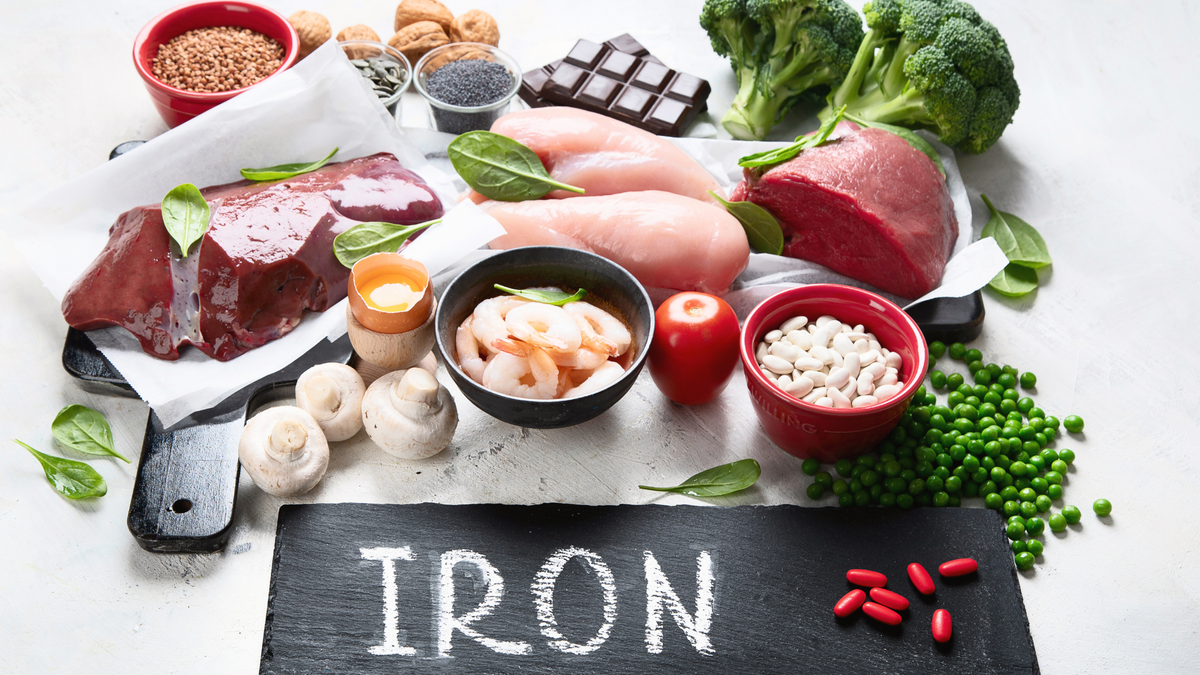
Iron as the Foundation
Iron plays a critical role in energy production by:
Carrying oxygen to tissues via hemoglobin
Supporting mitochondrial energy generation
Enabling thyroid hormone synthesis and conversion
When iron stores are low — even without clinical anemia — oxygen delivery at the cellular level is impaired. Cells may receive less oxygen than they need to produce adequate ATP, leading to fatigue, weakness, and poor recovery.
In menstruating women, iron loss is common, particularly with heavy or prolonged cycles. Low iron also impairs thyroid hormone conversion, compounding metabolic slowdown.
Hormonal Stress and Progesterone Depletion
Chronic psychological, emotional, or physical stress increases cortisol output. Elevated cortisol has downstream effects on both reproductive hormones and thyroid signaling.
Under stress:
Ovulation may be suppressed
Progesterone production declines
Cycles may become heavier or irregular
Low progesterone contributes to heavier bleeding, further depleting iron stores. At the same time, cortisol suppresses thyroid signaling as a protective mechanism, signaling the body to conserve energy rather than expend it.
This creates a feedback loop where stress drives hormonal imbalance, which worsens iron loss, which further suppresses metabolic output.
Thyroid Downregulation as Protection
The thyroid acts as the body’s metabolic thermostat. When resources are limited or stress is high, the body may intentionally reduce thyroid hormone activity to conserve energy.
Triggers for thyroid downregulation include:
Low iron availability
Chronic stress and cortisol elevation
Inflammation
Blood sugar instability
Low progesterone
Gut dysfunction or nutrient malabsorption
Importantly, this can occur even when standard thyroid labs fall within reference ranges. The issue is not failure — it is adaptation.
Over time, this protective slowdown manifests as fatigue, cold intolerance, slowed metabolism, and cognitive dulling.
How a Functional Medicine Practitioner Evaluates and Supports This Triad
A functional medicine approach focuses on patterns, physiology, and root causes, rather than isolated lab values or symptom suppression.
Comprehensive Evaluation
Assessment may include:
Full iron studies to evaluate iron storage and availability
Expanded thyroid testing to assess signaling and conversion
Hormonal evaluation to understand ovulatory function and progesterone levels
Stress physiology and cortisol rhythm assessment
Blood sugar regulation and insulin sensitivity markers
Inflammatory markers and gut health evaluation
Nutrient absorption and mitochondrial support considerations
This allows the practitioner to identify where the system is under strain, rather than labeling fatigue as nonspecific or idiopathic.
Functional Medicine Strategies
Support is individualized and often involves addressing multiple layers simultaneously, including:
Replenishing iron stores safely and strategically
Supporting ovulation and progesterone production
Regulating stress physiology and nervous system signaling
Optimizing thyroid hormone conversion and metabolic efficiency
Stabilizing blood sugar to reduce metabolic stress
Addressing gut inflammation and improving nutrient absorption
Supporting mitochondrial energy production
The goal is not to stimulate the body into producing more energy, but to create the conditions where energy production feels safe and sustainable.
Conclusion
Fatigue is not a flaw.
It is not laziness.
And it is not a personal failure.
Fatigue is communication.
The Iron–Hormone–Thyroid Triad of Fatigue provides a framework for understanding why so many women feel depleted despite their best efforts. When these systems are viewed together — rather than in isolation — the story becomes clearer, more compassionate, and far more actionable.
Your body is not broken.
It is responding intelligently to stress, depletion, and demand.
When iron stores are restored, hormones are supported, and thyroid function is optimized within the context of the whole system, energy often returns — not as a temporary surge, but as a stable, grounded sense of vitality.
And that is where true healing begins.
With the right tools, the right support, and a personalized plan, —you can become the version of yourself you may not have felt in a long time.
Start your personalized health journey — Book your free discovery call today!
This content has been generated with the assistance of ChatGPT, an AI language model. While every effort has been made to ensure originality and accuracy, the content may inadvertently include or resemble information from other sources. This is not intentional and we encourage users to conduct their own verification if specific details are critical for their purposes. The use of this AI-generated content is for informational purposes only and should not be considered as a substitute for professional medical advice and is not intended to diagnose or treat.